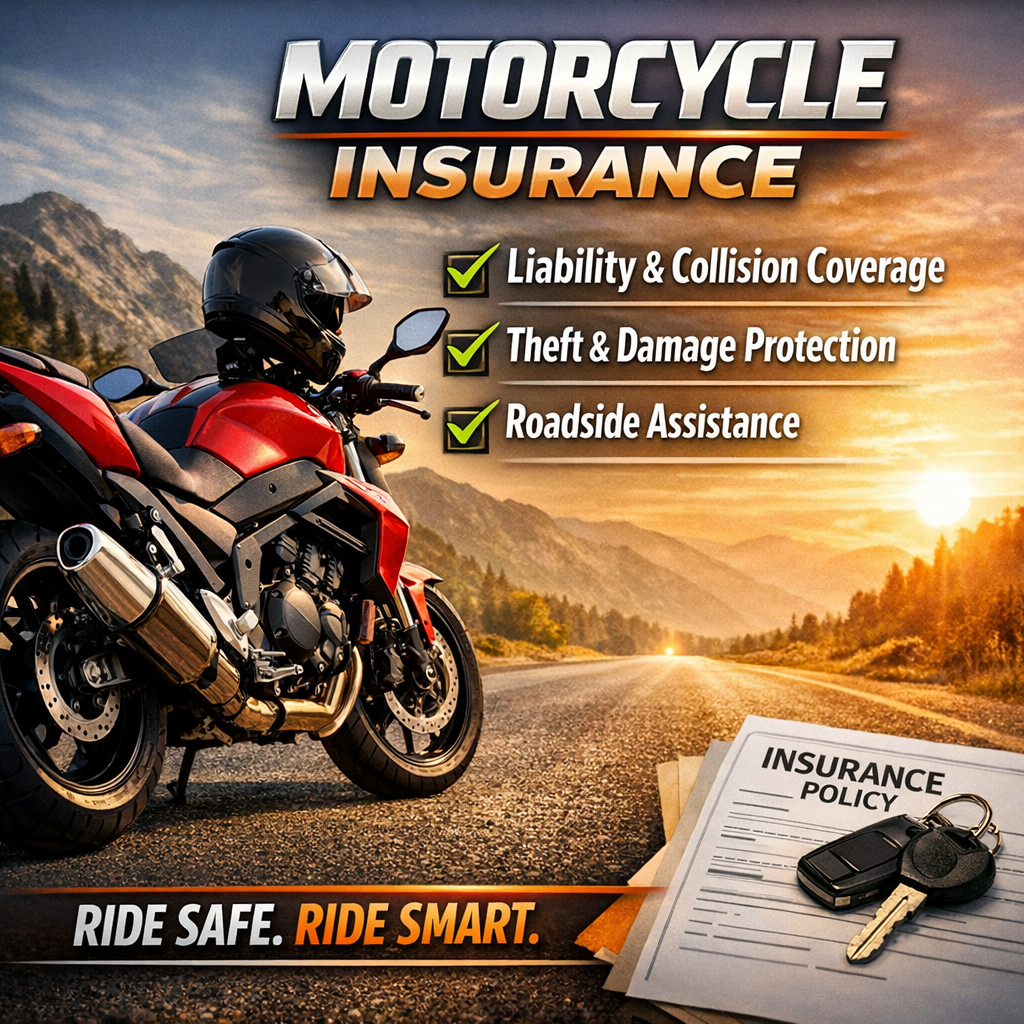
Riding a motorcycle in Florida offers a unique sense of freedom and adventure. However, the open roads come with their own set of risks and responsibilities. Understanding the different types of motorcycle insurance available in Florida is crucial for ensuring both safety and compliance with state laws. This guide will walk you through the various coverage options to help you make informed decisions.
Understanding Basic Motorcycle Coverage Options
Basic motorcycle insurance coverage in Florida typically includes liability insurance. Liability insurance is designed to cover damages if you are at fault in an accident. It compensates for bodily injuries and property damage incurred by others involved. Florida law requires motorcyclists to carry a minimum amount of liability coverage to ride on the roads legally.
Many riders also consider adding coverage beyond the mandatory minimums. While the state requires a basic level of coverage, increasing your coverage can provide additional peace of mind. Higher coverage limits can protect your financial assets in the event of a severe accident. It is always wise to evaluate your personal needs and potential risks when deciding on coverage levels.
In addition to liability coverage, some companies offer optional coverages such as roadside assistance. This service can be invaluable if you experience a mechanical breakdown while on a trip. It typically covers towing, fuel delivery, and other necessary services to get you back on your journey. Exploring these additional coverage options can enhance your overall safety and convenience.
Comprehensive and Collision Insurance Explained
Comprehensive and collision insurance are two essential types of coverage for motorcycle owners. Comprehensive insurance covers damages to your motorcycle not caused by a collision. This includes theft, vandalism, and natural disasters. It is a popular choice for those who want to protect their investment against a variety of risks.
Collision insurance, on the other hand, covers damages resulting from a crash with another vehicle or object. It is beneficial if you have a newer or expensive motorcycle. Repair costs can be high, so having collision insurance helps manage these potential expenses. Both comprehensive and collision insurance are optional in Florida, yet they add an essential layer of protection.
When choosing between these coverages, consider the value of your motorcycle and your personal risk tolerance. While they increase your premium, they can save you substantial amounts in repair or replacement costs. Balancing the cost of premiums with the potential out-of-pocket expenses in case of an accident is key to making the right decision.
The Role of Uninsured Motorist Coverage
Uninsured motorist coverage is another vital component of motorcycle insurance. Florida has a high number of uninsured drivers, increasing the risk for motorcyclists. If you are involved in an accident with a driver who lacks insurance, this coverage steps in to help. It covers medical expenses, lost wages, and other damages you might incur.
Having uninsured motorist coverage offers peace of mind on Florida’s busy roads. Even the most cautious riders can fall victim to unpredictable drivers. This coverage ensures you are not left vulnerable because of someone else’s lack of responsibility. It is especially beneficial for those who frequently commute or travel long distances on their motorcycles.
In addition to uninsured coverage, underinsured motorist coverage is also available. This type of coverage comes into play when the at-fault driver has insurance, but not enough to cover all your expenses. Both types of coverage are optional but highly recommended due to the unpredictable nature of road traffic.
Medical Payments and Personal Injury Protection
Medical payments coverage, often referred to as MedPay, helps cover medical expenses following an accident. It applies regardless of who is at fault. This coverage is particularly beneficial as it can cover your health insurance deductible and copays. It offers immediate benefits, which are crucial for timely medical attention.
Personal injury protection, commonly known as PIP, is not required for motorcyclists in Florida. However, it is an option worth considering. PIP covers medical expenses, lost income, and other related costs. It is designed to provide quick coverage without waiting for fault determination. This can be crucial for ongoing medical treatment and financial stability.
When deciding between MedPay and PIP, consider your current health insurance policy and any gaps it might have. Both options can significantly reduce your financial burden after an accident. Weighing the costs and benefits will help determine the best coverage for your needs and lifestyle.
Factors Affecting Your Insurance Premiums
Several factors influence motorcycle insurance premiums in Florida. Your age and experience as a rider play a significant role. Younger and less-experienced riders often face higher premiums due to greater risk. Insurance companies also consider the type and age of the motorcycle. Newer and high-performance bikes usually come with higher insurance costs.
Your location within Florida can also impact your premiums. Urban areas with higher traffic density and accident rates often incur higher costs. Additionally, your riding history and claims record are critical factors. A clean record can lead to discounts, while past accidents may result in higher premiums.
Finally, the coverage options and limits you choose will directly affect your premium. Higher coverage limits and additional options increase costs but provide better protection. Balancing these elements can help you find a policy that meets your needs and fits within your budget. Shop around and compare quotes to ensure you are getting the best deal.
Motorcycle insurance in Florida is essential for protecting yourself and your investment. From basic liability to comprehensive and collision coverage, understanding your options allows you to tailor a policy that suits your needs. Uninsured motorist and medical payment coverages offer additional layers of protection crucial in a state with many uninsured drivers.
Conclusion
Evaluating factors such as your bike’s value and your riding habits can help you choose the proper coverage. Insurance is not just about meeting legal requirements but also about ensuring peace of mind. A well-rounded policy can help you enjoy the open road with confidence.
As the landscape of insurance offerings continues to evolve, staying informed is key. Regularly reviewing your policy and understanding your coverage can help you make necessary adjustments. With the right insurance, you can fully embrace the thrill of riding while safeguarding your financial security.