


The Changing Landscape of Mobility

Exploring E-Bikes, Motorcycles, and Insurance Trends

Transportation continues to evolve as new choices emerge. Shifts in insurance, riding lifestyles, and electric alternatives highlight how mobility is becoming more diverse and adaptive to modern needs.

Key areas shaping this change include:

Insurance Costs

Riding Destinations

E-Bike Growth

Travel Trends


  • Understanding Florida Sports Insurance And Who Need It

    Understanding sports insurance in Florida is crucial for athletes, teams, and organizations. Protecting against unforeseen events is essential for maintaining peace of mind and financial stability. This article will explore the importance, benefits, and options of sports insurance in Florida to help you make informed decisions.

    Understanding Florida Sports Insurance?

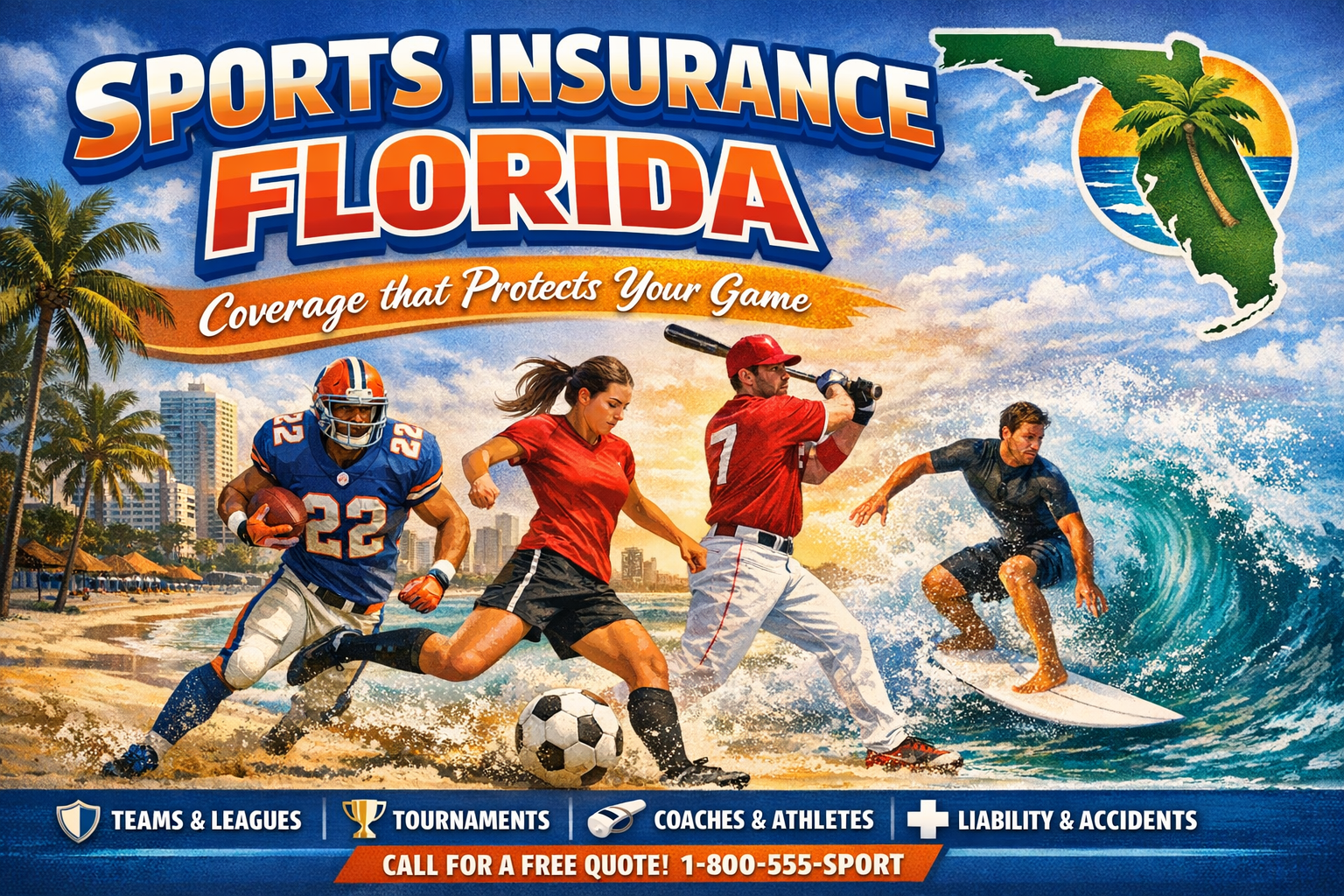
    Florida sports insurance is a specialized type of coverage designed to protect athletes and sports organizations. It addresses the unique risks and liabilities associated with sports activities. Accidents and injuries are common in sports, making insurance a vital aspect of any athletic program.

    Athletes, whether amateur or professional, face potential injuries that could result in significant medical expenses. Sports insurance helps mitigate these financial risks by covering medical expenses and compensating for lost wages. Teams and organizations also benefit by protecting themselves from lawsuits and liability claims.

    The coverage extends beyond just physical injuries. It may also include property damage and event cancellation protection. Understanding the scope of Florida sports insurance helps ensure that all potential risks are managed effectively.

    Key Benefits for Athletes and Teams For Understanding Florida Sports Insurance

    Sports insurance offers numerous benefits for both individual athletes and entire teams. One of the primary advantages is financial protection from expensive medical bills. Injuries are common in sports, and insurance ensures athletes can access necessary treatment without worrying about costs.

    For teams and organizations, insurance provides a safety net against liability claims. If a player is injured during a game or practice, the team may be held responsible. Having proper insurance coverage protects the team from legal repercussions and financial losses.

    Insurance also offers peace of mind, allowing athletes and coaches to focus on performance rather than potential risks. Knowing that a plan is in place to handle unexpected events enables teams to train and compete with confidence. This assurance can enhance overall team morale and success.

    Common Coverage Options Available

    Florida sports insurance offers a range of coverage options to meet the diverse needs of athletes and organizations. General liability insurance is a fundamental coverage that protects against injuries and damages arising from events that are sanctioned. It is essential for protecting both individual players and teams from potential lawsuits.

    Accident insurance is another vital coverage that focuses specifically on injuries sustained by athletes. It covers medical treatments and rehabilitation costs, ensuring that players can recover without financial strain. Some policies may also offer coverage for lost wages if the injury impacts the athlete’s ability to work.

    Event cancellation insurance is an option for organizations hosting sports events. Unforeseen circumstances, such as severe weather or venue issues, can lead to cancellations. This coverage ensures that organizers do not suffer financial losses, making it a valuable addition to comprehensive sports insurance policies.

    How to Choose the Right Policy

    Choosing the right sports insurance policy in Florida requires careful consideration of several factors. Start by assessing the specific needs of the athlete or organization. Consider the level of activity, the types of sports involved, and any potential risks.

    Consulting with an experienced insurance agent can provide valuable insights into available options. An agent can guide you through the process and ensure you understand the terms and conditions of various policies. Comparing plans and providers helps you find a policy that best fits your needs.

    Budget is another critical factor in selecting the right policy. While it is essential to find affordable options, do not compromise on necessary coverage. Balancing cost with comprehensive protection ensures you have the best possible insurance plan.

    Understanding Florida sports insurance is key to safeguarding athletes and organizations from unforeseen risks. The right coverage provides financial protection, legal security, and peace of mind for all involved. By carefully assessing needs and exploring available options, you can make informed decisions that enhance safety and success.

    Conclusion For Understanding Florida Sports Insurance

    Sports insurance is not just a financial tool; it is an investment in the well-being and future of athletes and teams. With proper coverage, you can focus on what truly matters: training, competing, and enjoying the sport. Whether you are an individual athlete or part of a larger organization, choosing the right policy ensures you are prepared for whatever comes your way.


  • Different Types Of Florida Motorcycle Insurance Explained

    Riding a motorcycle in Florida offers a unique sense of freedom and adventure. However, open roads come with their own risks and responsibilities. Understanding the types of motorcycle insurance available in Florida is crucial to ensuring safety and compliance with state laws. This guide will walk you through the various coverage options to help you make informed decisions.

    Understanding Different Types Of Florida Motorcycle Insurance Coverage Options

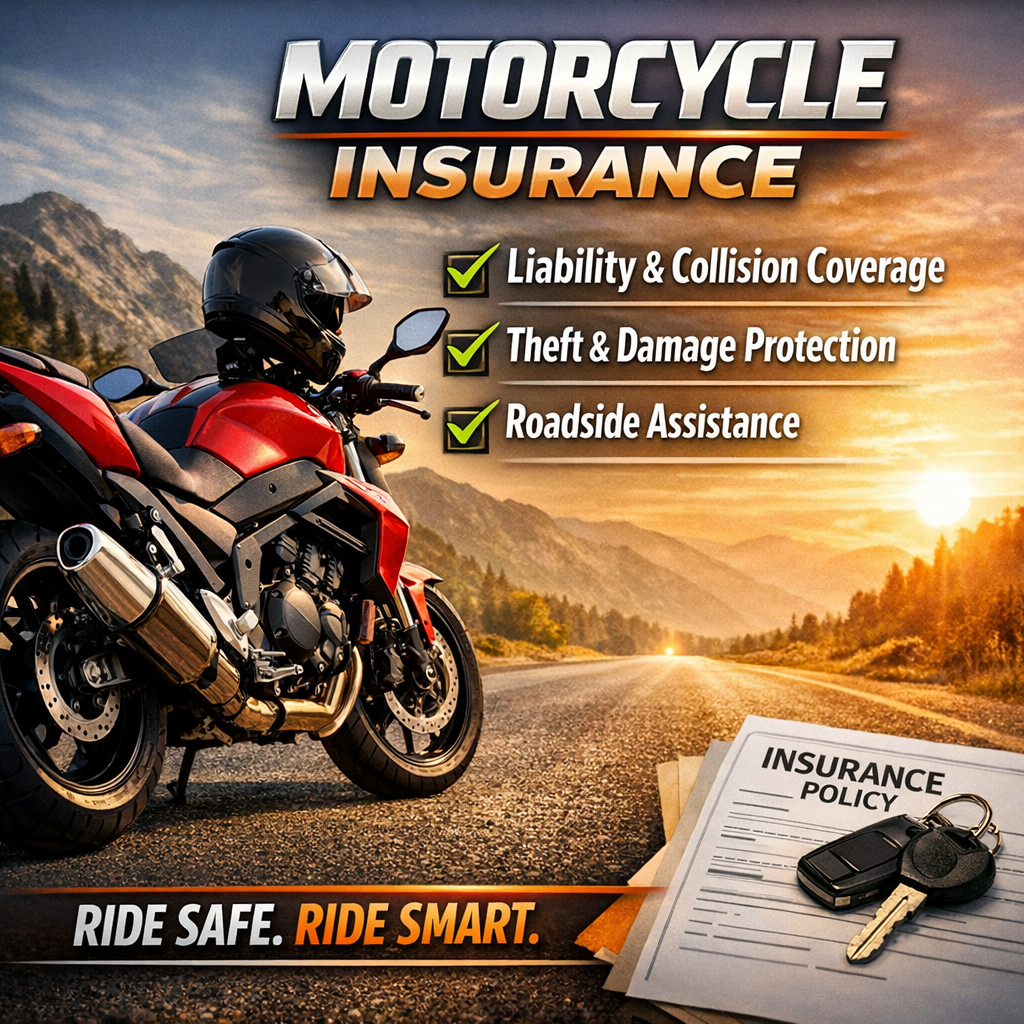
    Different Types Of Florida Motorcycle Insurance coverage in Florida typically includes liability insurance. Liability insurance is designed to cover damages if you are at fault in an accident. It compensates for bodily injuries and property damage incurred by others involved. Florida law requires motorcyclists to carry a minimum amount of liability coverage to legally ride on the roads.

    Many riders also consider adding coverage beyond the mandatory minimums. While the state requires a minimum level of coverage, increasing it can provide additional peace of mind. Higher coverage limits can protect your financial assets in the event of a severe accident. It is always wise to evaluate your personal needs and potential risks when deciding on coverage levels.

    In addition to liability coverage, some companies offer optional coverages such as roadside assistance. This service can be invaluable if you experience a mechanical breakdown while on a trip. It typically covers towing, fuel delivery, and other necessary services to get you back on your journey. Exploring these additional coverage options can enhance your overall safety and convenience.

    Florida is famous in the motorcycling world for having some of the most unique—and often misunderstood—insurance laws in the country. Unlike almost every other state, Florida does not require you to show proof of insurance to register your motorcycle.

    However, don’t let that “no-requirement” rule fool you. Florida’s Financial Responsibility Law means you are still legally and financially liable for any damage you cause.


    1. The “Financial Responsibility” Minimums

    If you are at fault in an accident, the state requires you to prove you can pay for the damages. Most riders do this by purchasing a liability policy with these 2026 standard minimums:

    • $10,000 for Bodily Injury (per person)

    • $20,000 for Bodily Injury (per accident)

    • $10,000 for Property Damage (per accident)

    The Penalty: If you cause a crash and don’t have this coverage, the state can suspend your driver’s license, revoke your registration, and require you to carry expensive “SR-22” high-risk insurance for three years.


    2. The Helmet-Insurance Connection

    Florida allows riders aged 21 and older to ride without a helmet, but there is a specific insurance “catch”:

    • To legally ride helmetless, you must carry at least $10,000 in medical benefits (typically via MedPay or a private health insurance policy).

    • Law enforcement in 2026 has increased “spot checks” for this coverage. If you’re caught without a helmet and can’t prove you have the $10k medical benefit, you face a non-criminal traffic infraction.


    3. The “PIP” Exclusion (The Danger Zone)

    In Florida, drivers are required to carry Personal Injury Protection (PIP), which covers their medical expenses regardless of fault. This does NOT apply to motorcycles.

    • Even if you have “full coverage” on your car, that PIP will not follow you onto your bike.

    • If you are injured in a motorcycle accident in Florida, your only immediate sources of medical payment are your private health insurance or a specific Medical Payments (MedPay) add-on to your motorcycle policy.


    4. Recommended Florida Coverage “Stack.”

    Given that Florida has one of the highest rates of uninsured drivers in the U.S. (estimated at nearly 20% in some regions), a basic policy is often insufficient. Experts recommend:

    Coverage Why do you need it in Florida
    Uninsured Motorist (UM) Critical. Since Florida doesn’t require bikes to have insurance, many riders (and drivers) have none. This pays your bills if they hit you.
    MedPay ($10k+) Replaces the missing PIP coverage and satisfies the “no-helmet” law.
    Guest Passenger Liability Specifically covers the friend on your back, which standard BIL often excludes.

    Summary Checklist for Different Types Of Florida Motorcycle Insurance

    • [ ] Registration: No proof of insurance is required to get your tag.

    • [ ] Helmets: Required if under 21; optional if 21+ with $10k medical coverage.

    • [ ] At-Fault: You are 100% liable for damages you cause, insurance or not.

    • [ ] PIP: You are excluded from no-fault benefits; you must sue the other driver or use your own MedPay/Health insurance.

    Comprehensive and Collision Insurance: Different Types Of Florida Motorcycle Insurance Explained

    Comprehensive and collision insurance are two essential types of coverage for motorcycle owners. Comprehensive insurance covers damages to your motorcycle not caused by a collision. This includes theft, vandalism, and natural disasters. It is a popular choice for those looking to protect their investment against a range of risks.

    Collision insurance, on the other hand, covers damages resulting from a crash with another vehicle or object. It is beneficial if you have a newer or more expensive motorcycle. Repair costs can be high, so having collision insurance helps manage these potential expenses. Both comprehensive and collision insurance are optional in Florida, but they provide essential protection.

    When choosing between these coverages, consider your motorcycle’s value and your personal risk tolerance. While they increase your premium, they can save you substantial amounts in repair or replacement costs. Balancing premium costs with potential out-of-pocket expenses in the event of an accident is key to making the right decision.

    The Role of Uninsured Motorist Coverage And Different Types Of Florida Motorcycle Insurance

    Uninsured motorist coverage is another vital component of motorcycle insurance. Florida has a high number of uninsured drivers, increasing the risk for motorcyclists. If you are involved in an accident with an uninsured driver, this coverage steps in to help. It covers medical expenses, lost wages, and other damages you might incur.

    Having uninsured motorist coverage offers peace of mind on Florida’s busy roads. Even the most cautious riders can fall victim to unpredictable drivers. This coverage ensures you are not left vulnerable due to someone else’s failure to act responsibly. It is especially beneficial for those who frequently commute or travel long distances by motorcycle.

    In addition to uninsured coverage, underinsured motorist coverage is also available. This type of coverage applies when the at-fault driver has insurance, but not enough to cover all your expenses. Both types of coverage are optional but highly recommended due to the unpredictable nature of road traffic.

    Medical Payments and Personal Injury Protection

    Medical payments coverage, often referred to as MedPay, helps cover medical expenses following an accident. It applies regardless of who is at fault. This coverage is particularly beneficial as it can cover your health insurance deductible and copays. It offers immediate benefits, which are crucial for timely medical attention.

    Personal injury protection (PIP) is not required for motorcyclists in Florida. However, it is an option worth considering. PIP covers medical expenses, lost income, and other related costs. It is designed to provide quick coverage without waiting for fault determination. This can be crucial for ongoing medical treatment and financial stability.

    When deciding between MedPay and PIP, consider your current health insurance policy and any coverage gaps. Both options can significantly reduce your financial burden after an accident. Weighing the costs and benefits will help you determine the coverage that best fits your needs and lifestyle.

    Factors Affecting Your Insurance Premiums

    Several factors influence motorcycle insurance premiums in Florida. Your age and experience as a rider play a significant role. Younger and less-experienced riders often face higher premiums due to greater risk. Insurance companies also consider the type and age of the motorcycle. Newer, high-performance bikes typically carry higher insurance premiums.

    Your location within Florida can also impact your premiums. Urban areas with higher traffic density and accident rates often incur higher costs. Additionally, your riding history and claims record are critical factors. A clean record can lead to discounts, while past accidents may result in higher premiums.

    Finally, the coverage options and limits you choose will directly affect your premium. Higher coverage limits and additional options increase costs but provide better protection. Balancing these elements can help you find a policy that meets your needs and fits within your budget. Shop around and compare quotes to ensure you are getting the best deal.

    Motorcycle insurance in Florida is essential to protect you and your investment. From basic liability to comprehensive and collision coverage, understanding your options allows you to tailor a policy that suits your needs. Uninsured motorist and medical payment coverages provide additional layers of protection, which are crucial in a state with many uninsured drivers.

    Conclusion On Different Types Of Florida Motorcycle Insurance

    Evaluating factors such as your bike’s value and your riding habits can help you choose the proper coverage. Insurance is not just about meeting legal requirements; it also provides peace of mind. A well-rounded policy can help you enjoy the open road with confidence.

    As the landscape of insurance offerings continues to evolve, staying informed is key. Regularly reviewing your policy and understanding your coverage can help you make necessary adjustments. With the right insurance, you can fully embrace the thrill of riding while safeguarding your financial security.
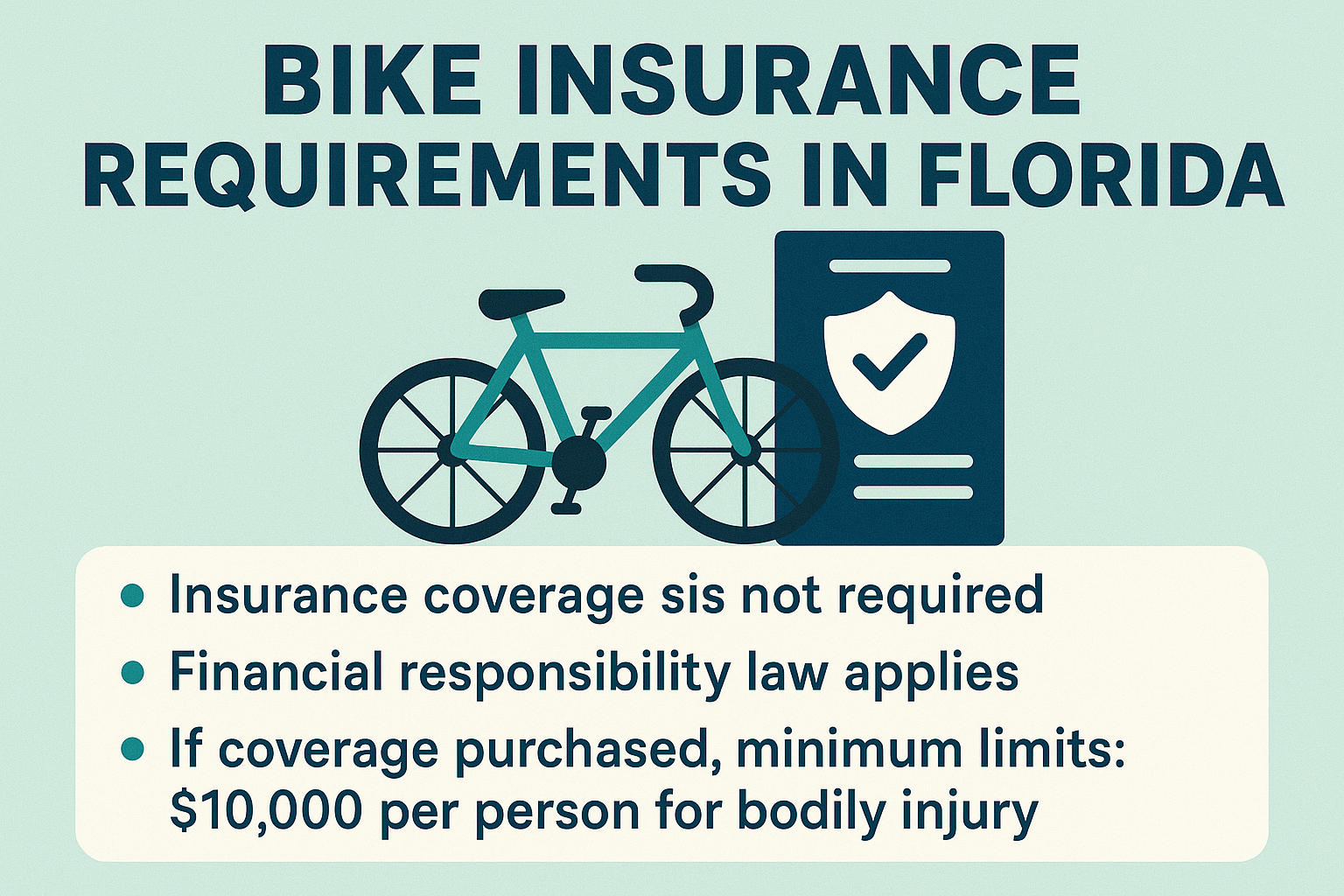
  • Understanding Bike Insurance Requirements in Florida

    Florida is renowned for its sunny weather and picturesque roads, making it a popular destination for cyclists. Many people enjoy riding bikes for recreation, exercise, or as a means of daily transportation. However, before you hit the Florida streets or trails, it is essential to understand the rules regarding bike insurance. Knowing what is required can save you money and trouble. This article explains everything you need to know about bike insurance in Florida so you can ride confidently. Let us explore the laws, who needs coverage, and the benefits of having insurance for your bike.

    Exploring Florida Laws on Bike Insurance Coverage

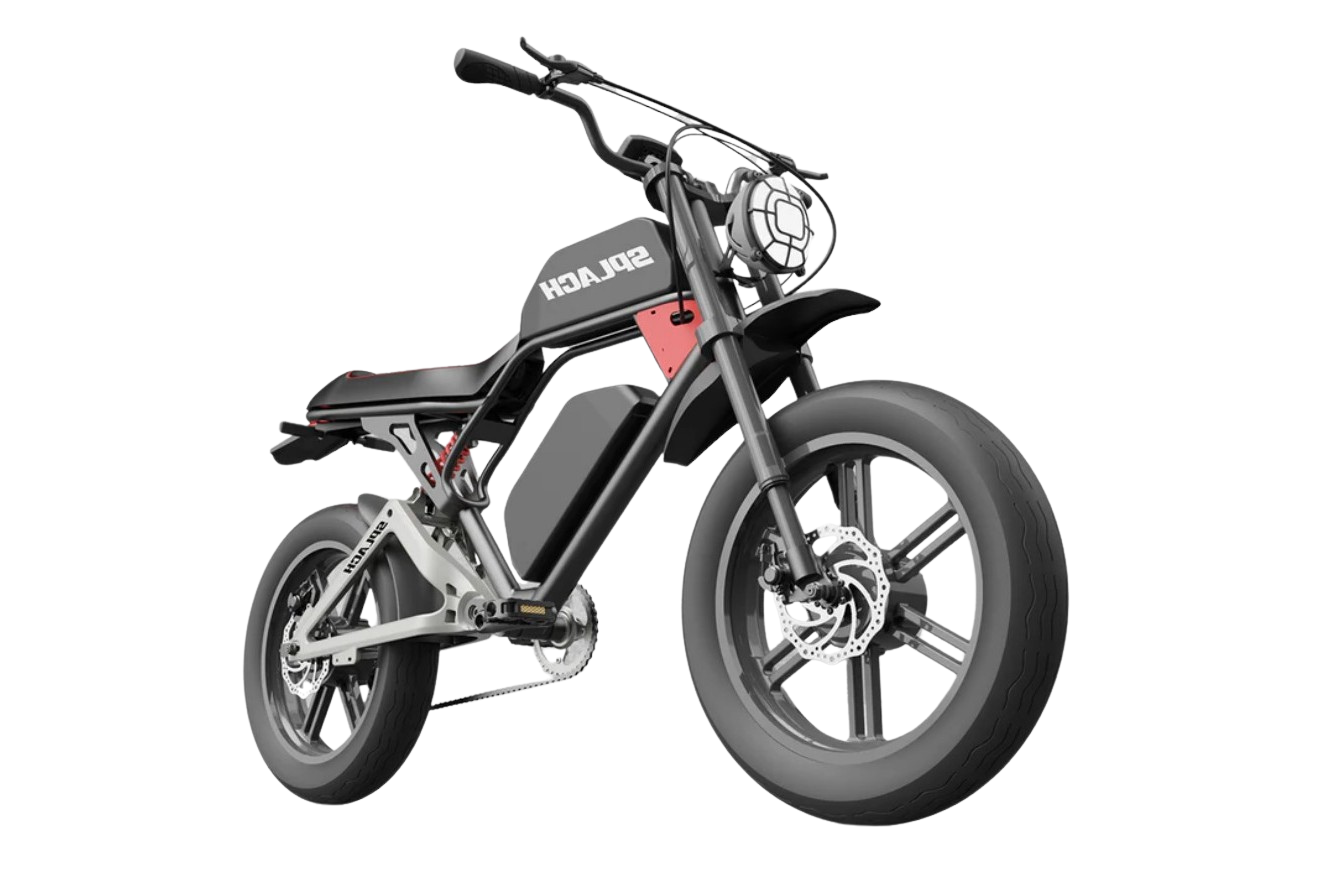
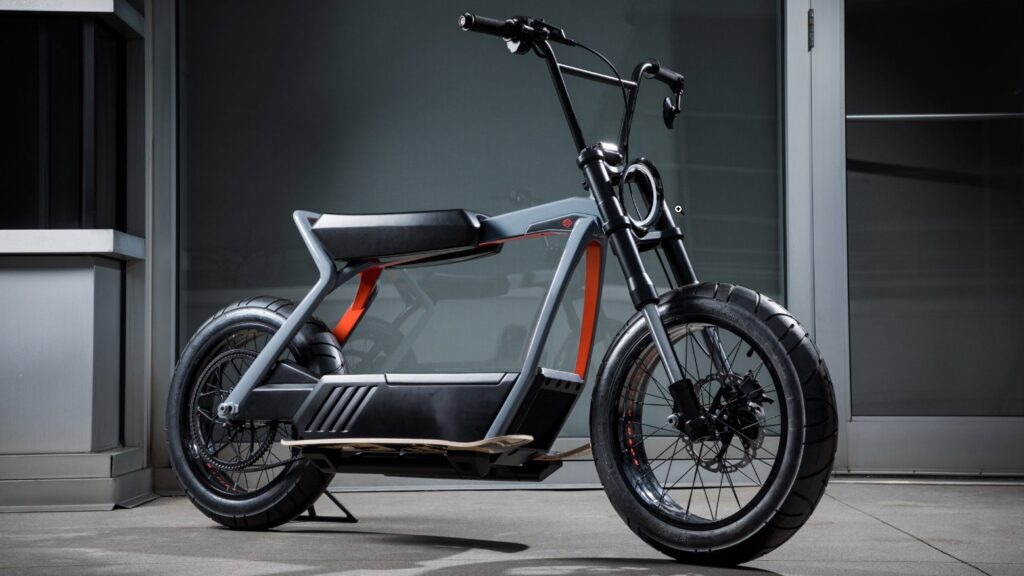
    Florida law treats bikes differently from cars or motorcycles when it comes to insurance. Most bicycles powered by your own effort do not fall under state insurance requirements. Electric bikes and motorized bikes, however, may have different rules that riders need to be aware of. Regular pedal bikes typically do not require insurance, but insurance policies are available for those who want additional protection.

    If you ride an e-bike or a moped, you may fall into a gray area. We suggest you visit https://floridainsurancequotes.net/motorcycle-insurance-quote/, and speak with an agent. Some mopeds and motor-driven cycles are required to be registered and insured, depending on their power and speed. It is essential to understand the distinctions between a standard bike, an electric bike, and a moped under Florida law. If you are unsure, consult with local authorities or your insurance agent to ensure you are following the law.

    Although most bike owners are not required by law to have insurance, many people opt for coverage nonetheless. Bike insurance can cover theft, damage, and liability if you accidentally hurt someone while riding. The laws may seem relaxed, but following them protects you and others on the road.

    Who Needs Bike Insurance in the Sunshine State

    Most people riding a traditional bicycle in Florida are not required to have insurance. People who use their bikes only for exercise or casual rides can usually skip the added cost. Still, bike owners who ride in busy city areas or store expensive bikes at home may want extra protection.

    Owners of electric bikes and motorized bicycles should exercise greater caution. If your bike has a motor and can travel faster than a certain speed, you may need insurance. Delivery riders and individuals who use their bikes for work may also require additional coverage, especially if they frequently ride in traffic or park in public areas.

    Families with kids who ride bikes may also consider insurance. Children are sometimes less cautious, and accidents can occur easily. Having insurance can help parents feel more secure in the event that something goes wrong. Although it is not required, many Floridians find peace of mind with a basic bike insurance policy.

    Key Benefits of Having Bike Insurance in Florida

    Bike insurance offers many advantages for Florida riders. If your bike is stolen, insurance can help cover the cost of a replacement. Florida is known for a high rate of bike theft, especially in busy cities and beach areas. Insurance enables you to recover faster and get back to enjoying your rides.

    Accidents can happen anywhere, even on a quiet neighborhood street. If you hit a pedestrian or damage property, liability coverage can help cover the costs of legal or medical expenses. Without insurance, you might have to pay these bills out of your own pocket. Insurance gives you a safety net in case something unexpected occurs.

    Bike insurance can also cover damage from weather or accidents. Florida’s rain and storms can sometimes damage bikes left outside. Insurance can help cover the cost of fixing or replacing your bike, so you don’t lose money. For people who take their bikes on trips, some policies also provide nationwide protection.

    What Happens if You Ride Without Insurance

    Riding without insurance is not illegal for most bike riders in Florida; however, it comes with significant risks. If your bike is stolen or damaged, you will be responsible for all costs to repair or replace it yourself. This can be very expensive if you own a high-end bike or use it as your primary means of transportation.

    Some riders may face more significant problems if they are involved in an accident. Without liability insurance, you are responsible for any injuries or damage you cause to others. These costs can quickly add up, especially if someone requires medical attention or if property is severely damaged. You could also face lawsuits, which can be stressful and costly.

    Individuals who ride motorized bikes or mopeds without the required insurance may be ticketed or have their vehicles seized. If the law requires insurance and you are caught without it, you could face fines or even lose your riding privileges. It is always safer to know the rules and protect yourself before problems arise.

    Steps to Choose the Right Bike Insurance Policy

    Begin by determining the type of coverage you require for your bike. Think about how often and where you ride. People who ride in busy areas or leave their bikes outside usually may need more protection against theft and damage. Create a list of your primary concerns, including theft, accidents, or travel protection.

    Next, shop around and compare policies from different insurance companies. Look for policies that cover your needs at a price you can afford. Some home insurance policies may cover bikes, but it’s essential to check the details, as coverage can be limited. Ask about deductibles, coverage limits, and how claims are processed.

    Finally, read the fine print before buying a policy. Make sure you understand what is covered and what is not. Ask questions if you are unsure about any part of the policy. A good insurance agent will help you pick the best option for your budget and your bike. With the right policy, you can ride more confidently and enjoy Florida’s beautiful weather all year round.

    Conclusion

    Understanding Florida’s bike insurance requirements is essential for every rider. The law does not require most people to have bike insurance, but getting coverage can be a smart move. Insurance can protect you against theft, damage, and legal problems if you accidentally hurt someone or break something. Even a simple policy can give you peace of mind, especially if you own a valuable bike or ride in busy areas. Remember, the rules change if you ride a motorized or electric bike, so make sure you know the difference. Always check state and local laws to avoid costly mistakes. Compare different insurance options and select the one that best suits your lifestyle. Protecting your bike means protecting your investment and your freedom to ride. With the proper knowledge and preparation, you can enjoy cycling in Florida with fewer worries. Ride safe and stay covered.

Insights Into Tomorrow’s Travel

Shaping the Future of Travel

Motorcycles, cars, and e-bikes each play a role in changing the way people move. Insurance choices, scenic journeys, and urban commuting all show how transportation continues to evolve. Understanding these trends helps reveal where mobility is headed next.

insights & ideas

Topic Highlights